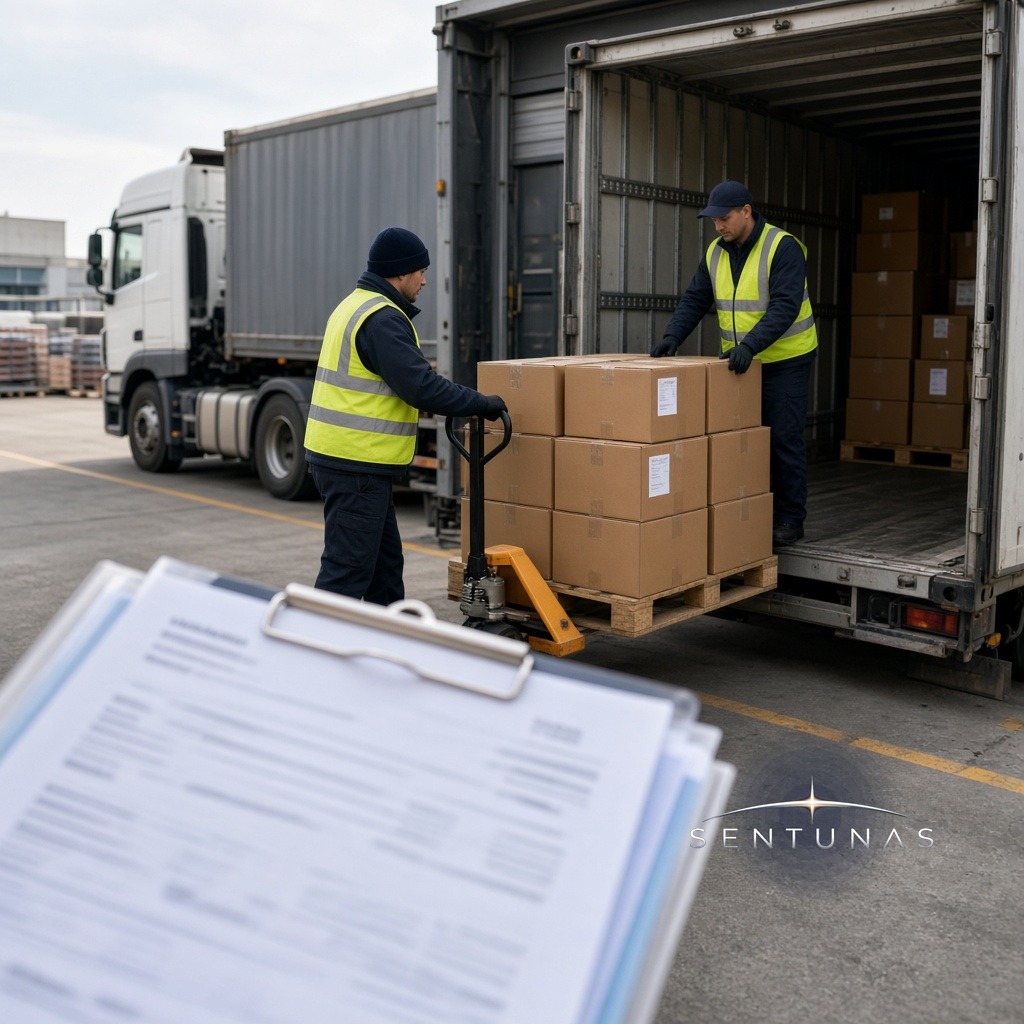
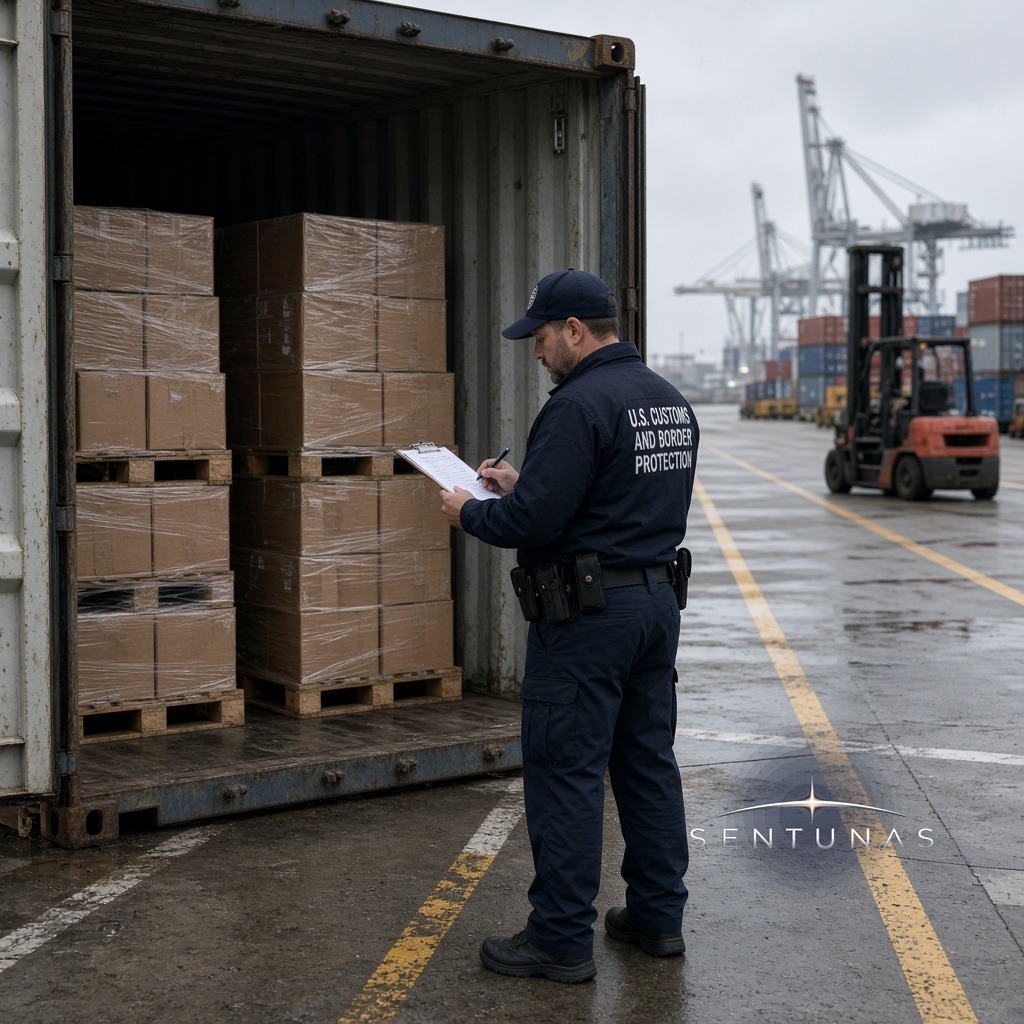
Since 1 November, every non-EU parcel sold to an EU consumer carries a new line in the cost stack: a €2 Union handling fee per item.
It sits on top of the temporary €3 customs duty per item that has applied since 1 July 2026, when the EU ended the €150 duty-free relief for low-value parcels. Delegated Regulation (EU) 2026/2152 fixes the fee at €2 per item, applying from 1 November 2026.
The arithmetic is simple, and that is exactly why it hurts. National customs authorities in Ireland and Estonia give the same example: a parcel with three different items now carries €9 in duty plus €6 in handling fees, before VAT. Swedish Customs adds three details operators should not miss: - The fee applies regardless of the value of the goods. - The declarant is liable, and the fee is due even if the declaration is never released. - Outside IOSS, it is included in the taxable amount for VAT.
It is not refundable, and it does not apply to B2B shipments.
From the operations side, this is not a customs footnote. It is a checkout, data and margin decision:
1. Rebuild the EU landed-cost math per item line, not per parcel. Duty and fee both scale with distinct items on the declaration. 2. Capture item-level data at checkout so the declaration matches what was sold. A bundle split into five lines costs five fees. 3. Decide who pays. Absorb it, show it at checkout, or pass it through on delivery. Surprise charges at the door are where returns and chargebacks start. 4. Revisit DDP offers. If you are the declarant or your representative is, the liability sits with you, not with the Incoterm on the invoice. 5. Re-test basket design. Fewer, consolidated SKUs per order can protect margin on low-ticket categories.
Sellers who treat this as a pricing and data project this month will keep EU conversion. Those who wait for the first carrier invoice will find out the hard way.
How is your team handling the €2 fee: absorbing it, or showing it at checkout?
A US buyer does not pay your FOB price. They pay landed cost: the product, freight, insurance, duty, classification, and time.
After the July 24, 2026 tariff round, that gap got wider for finished jewelry. Industry reporting from JVC — reflected in JCK/Plumb Club discussions and trade coverage such as Kuyumcum — has been clear: cost is no longer only “which country did it come from?” Finished jewelry, loose stones, watches, and raw metal can face different treatment. Tariffs attach to origin, not the export route.
If you quote Türkiye to the US on FOB alone, the buyer still has to add duty and fees on their side, and they will compare that total with another origin. A cleaner conversation is: here is the article, here is the HTS logic, here is origin, here is a landed-cost range, and here is how long this price holds.
I have spent 20+ years on the operational side of jewelry trade between the US, the Gulf, and Türkiye. The quotes that win are the ones a customs broker can defend.
Three questions I would put on every US offer this season: - Is this finished jewelry or an exempt metal form? - Does the origin file match the factory story? - How many days is this price valid if the tariff table moves again?
Shipping jewelry into the US is no longer one question: “What’s the duty?” The answer now depends on what the product is, where it was made, and how it is classified.
On July 24, 2026, a new round of US tariffs took effect on imports from 60 countries, with rates of 10% to 12.5%, according to National Jeweler’s reporting on the USTR announcement and JVC guidance. Turkey is in the 12.5% band, alongside markets such as the UAE, Hong Kong, Thailand, and others named in that coverage.
Form matters. Raw or semi-manufactured precious metals are generally exempt. Finished jewelry is not. JVC also notes that tariffs follow country of origin, not the country the goods ship from. Exempt products are listed by 10-digit HTS code — so a wrong classification is not a paperwork detail. It is a cost error.
For more than 20 years I have built jewelry retail, supply-chain, and digital-commerce operations across the US, the Gulf, and Türkiye. The operational lesson is familiar: a quote that ignores origin, HTS, and how the metal is presented will not survive first contact with customs.
What to lock in before you price a US order:
1. Treat landed cost, not only the ex-works or FOB figure. 2. Confirm the 10-digit HTS code for the exact article. 3. Keep origin documents aligned with how the piece was actually made. 4. Keep price validity shorter while the tariff map keeps moving. 5. Plan by product and by country, not with one blanket rate.
How is your team recalculating US-bound jewelry this quarter?
“On a map, a border is a line. In operations, it is what cuts the work.”
On a map, a border is a line. In operations, it is what cuts the work: customs, logistics, inventory, markets, language, payments. Either it stops you, or you turn it into a route.
For 20+ years I have been building these crossings in jewelry retail, supply chain and digital commerce across the US, the Gulf and Türkiye.
In the US, 2005–2008: fine jewelry manufacturing and sales through QVC, HSN and Walmart channels. 16 Atasay stores across the Middle East and Türkiye: 10 in the UAE, 4 in Iraq, 1 in Qatar, 1 at Istanbul Airport. In Houston with Qatris: 120 retail clients across 7 states. 135 kg of gold jewelry sold under the JOU brand. E-commerce operations at Sulis Gold; gold sourcing and inventory planning at Lizay.
Removing borders is not a slogan; it is daily work: import and export, workshops, catalogs, delivery.
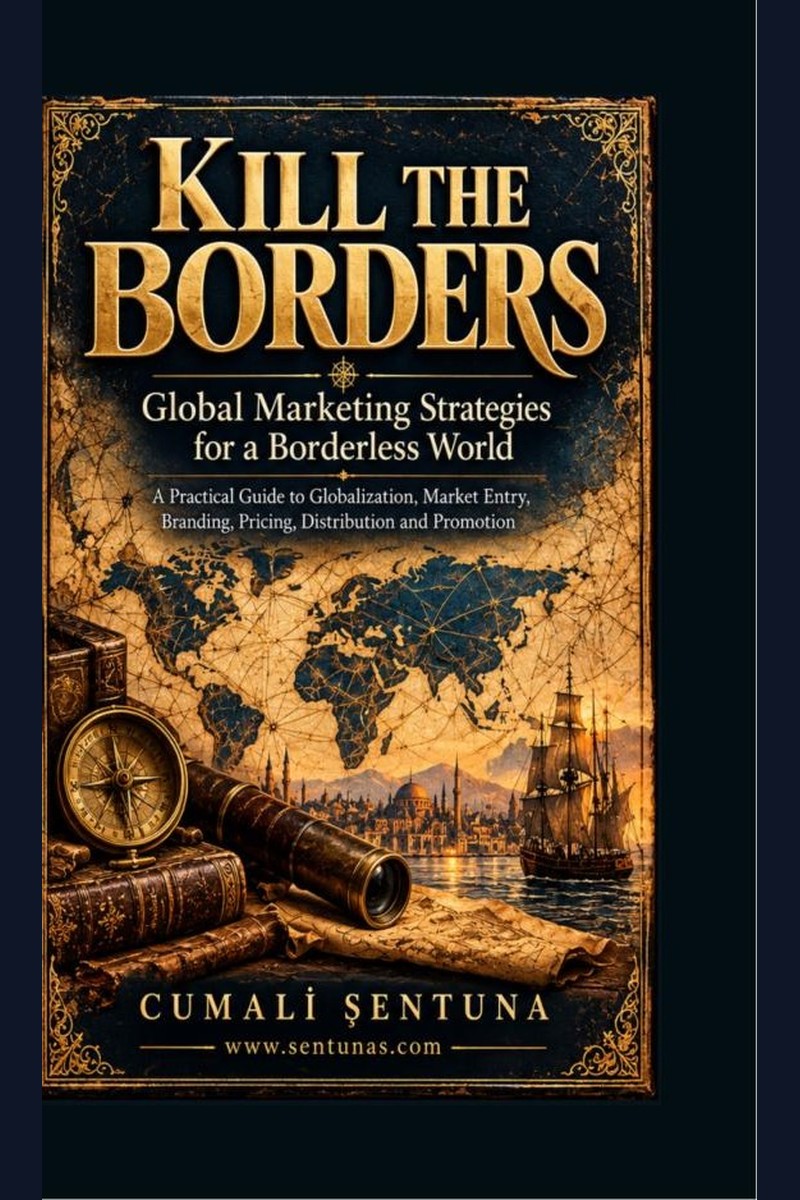
KILL THE BORDERS: Global Marketing Strategies for a Borderless World Opening International Retail Stores
“AI won't replace e-commerce teams. But teams using AI will outpace those that don't.”
Working in operations and international retail, I see AI quietly reshaping the way we run e-commerce, especially in jewelry and luxury goods:
🔹 Smarter demand forecasting: fewer stockouts and less dead inventory
🔹 Faster supply chain decisions across borders and markets
🔹 Personalized customer journeys at scale, without losing the human touch
🔹 Automated routine tasks, so teams can focus on strategy and customer experience
In luxury, trust and craftsmanship will always come first. AI is not here to replace them. It's here to give us more time to deliver them.
Opening International Retail Stores: From Launch to Daily Operations
A store opening connects location planning, supplier coordination, inventory readiness and team preparation. Drawing on my work opening and coordinating 16 Atasay stores (UAE 10, Iraq 4, Qatar 1, Istanbul Airport 1), my approach is to define ownership for each launch task and carry that discipline into daily operations. When stores move to franchise operators, clear handover responsibilities and consistent operating processes help maintain continuity.
Jewelry E-Commerce: Building a Clear Product Journey
An online jewelry store needs clear product information as well as attractive imagery. My work at SULIS GOLD combines T-Soft platform management with product content, merchandising and inventory processes. I focus on helping customers understand materials and product options, while keeping catalog information consistent with operational processes. Content, stock and customer communication should work together throughout the purchase journey.
Connecting US Wholesale Customers with International Supply
International wholesale operations bring customer relationships, manufacturing follow-up and logistics into the same workflow. At Qatris Jewelry LLC, I managed a network of 120 retail clients in the United States while coordinating supply from Türkiye. My approach is to keep order details, supplier communication and delivery follow-up connected, so commercial commitments remain visible throughout the process.
Marketing strategies for a borderless world — international commerce and branding in a digital era. Full titles listed on the portfolio publications page.